Autumn on the UK Coast: Why October Is Prime Time for Rockpooling
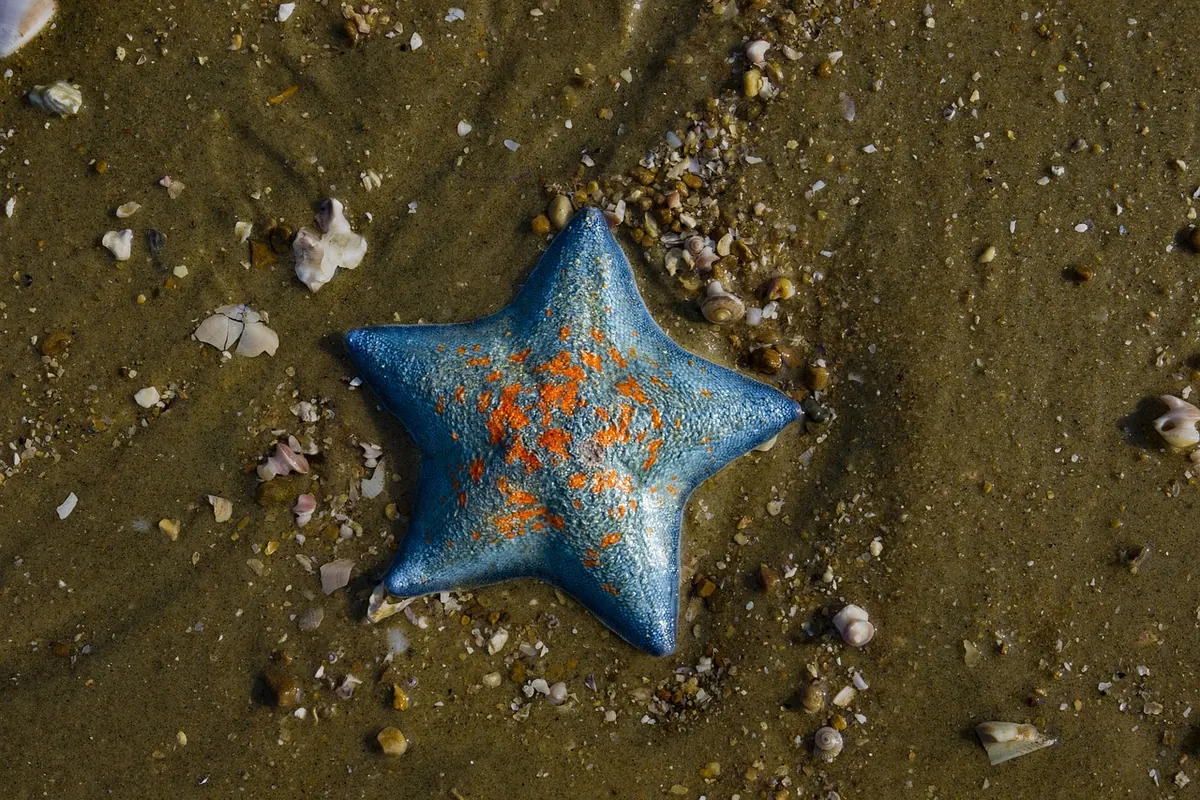
Summer gets the crowds, but autumn gets the shore. By October the beaches are quieter, the light sits lower and longer, and the biggest tides of the year are working their way through the calendar. For anyone who likes peering into rockpools, that combination is hard to beat. The sea is still holding some of its summer warmth, so the animals are active; the seaweed has grown all season and is beginning to thin out; and low water often falls at a civilised hour. Rockpools that were under two feet of water in July are suddenly open for business.
Why October pulls the tide further down
The moon drives the tide everywhere, every month, but not all highs and lows are equal. Spring tides — nothing to do with the season — arrive just after a new or full moon, when the sun and moon line up and pull together. Around the equinoxes in March and September, those spring tides tend to be the largest of the year, and October catches the tail of that pattern: big ranges, low low water, and more shore exposed than at almost any other time.
Add the weather and the picture improves again. October often brings the first proper Atlantic lows, and while a stormy day is best spent somewhere with a roof, the swell that follows does useful work. It scours sand off rocky ledges and shifts kelp, uncovering rock that has been buried since spring. Between the gales, high pressure and calm air can let the sea sit fractionally lower than predicted. And because summer's plankton bloom has faded, the water is frequently clearer than it was in July — which matters more than you might think when you are trying to spot a translucent prawn against a dark pool.
Reading the tide and the weather
Start with a tide table for the stretch of coast you actually plan to visit, not the harbour forty miles away where the timing and range can be quite different. Tide tables give a height as well as a time, and it is the height that tells you what you are getting: the lower the number, the more of the lower shore opens up.
Time your visit so you are on the rocks before the tide turns. The richest zone — the lower shore, with its sponges, sea squirts and snakelocks anemones — is only briefly accessible, usually in the hour or two either side of low water. Work down as the sea retreats, and back up as it returns. Never let the tide get behind you; on a big autumn range, water that was ankle-deep can be waist-deep surprisingly quickly.
Wind matters as much as the moon. A strong onshore wind can hold water against the coast and keep levels higher than the table suggests, while a steady offshore wind with high pressure can do the opposite. If the sea is rough, pick a sheltered bay or come back another day. There is always another tide.
The autumn cast: what to look for
Easy finds in almost any pool
- Beadlet anemones — dark red blobs when the tide is out, opening into a ring of tentacles once covered.
- Common prawns, which are far better at hiding than their size suggests.
- Shore crabs, hermit crabs in borrowed whelk and periwinkle shells, and the occasional velvet swimming crab, which will not thank you for picking it up.
- Limpets, periwinkles and barnacles, all doing their slow work on the rock.
- Blennies and butterfish, usually under stones or in weed, and usually gone before you have focused properly.
The specialists
On the lowest tides, look for snakelocks anemones — green with violet-tipped tentacles — and check carefully between them for the small translucent clingfish that sometimes lives among the stinging tentacles. Chitons, also called coat-of-mail shells, clamp onto rock and look like woodlice in armour. Sea squirts appear as soft, rubbery blobs, sponges as orange or yellow crusts on the undersides of ledges, and brittlestars as writhing arms in crevices. All of these need rock that is rarely dry, which is exactly what October's tides deliver.
Autumn arrivals
Autumn is also when some animals move inshore. Sea hares — large, soft sea slugs — turn up in some years, feeding on seaweed. Juvenile fish that spawned in spring are now big enough to see and small enough to shelter in shallow pools. And after a gale, the strandline above the pools is worth a look: cuttlefish bones, whelk egg cases and mermaid's purses, the egg cases of rays and skates, all wash up more often at this time of year.
Rockpooling the right way
A pool is not a display case. It is a working community of animals that have to survive the next low tide, and small mistakes add up along a busy coast.
- Look first, lift last. Most of what you want to see is visible without moving anything at all.
- If you turn a stone, put it back exactly as it was — same way up, same position. The underside is somebody's home, and a stone left flipped over dries out in the sun.
- Use wet hands and a clear container. Dry hands damage the protective slime on anemones and fish.
- Keep anything you have caught in water, out of direct sun, and only for a few minutes. Then return it to the exact spot it came from.
- Never prise limpets, anemones or barnacles off the rock. They will not reattach, and the scar stays for years.
- Take nothing home but photographs and litter, and check whether your site sits inside a marine protected area with its own rules.
Skip the chase, too. A blenny that has been herded round a pool five times has spent energy it cannot easily replace, and it will be the next low tide's problem. Keep your boots off weed-covered edges where you can — partly because they are slippery, partly because a boot on a mussel bed crushes everything under it.
Cold, wet and slippery: what to take
Autumn rockpooling is a waterproof activity, not a swimwear one. Wellies or boots with real grip, a windproof layer, gloves you do not mind getting wet, and a spare pair of socks in the car will make the difference between two hours on the shore and twenty minutes. A clear plastic tub or a white tray helps you see what you have found without handling it. A small torch is essential if you are going for a dusk or night tide, which can be superb in October, and a dry bag for your phone saves a lot of regret.
Before you go: a short safety checklist
Rockpooling looks gentle, and usually is, but the shore is a place where small oversights have consequences. Run through this before you leave the house.
- Check the tide table for the right location, and know when low water is and when the sea starts returning.
- Go on a falling tide, plan your exit route, and never let the sea cut you off from the path you came down.
- Tell someone where you are going and when you expect to be back. Mobile signal on the coast is patchy, so do not rely on it.
- Avoid rockpooling alone, especially on a big tide or at dusk.
- Watch for slippery green algae, loose boulders and wet rock near the waterline.
- If anyone gets into difficulty in or near the sea, dial 999 and ask for the Coastguard.
Do those simple things and October will repay you handsomely. The crowds have gone, the light is lovely, and the sea is briefly willing to show you what it keeps hidden for the rest of the year. Take a flask, take your time, and put every stone back the way you found it.
Photo: iemlee / Pixabay