Five Common Mistakes to Avoid When Snorkelling on a Coral Reef
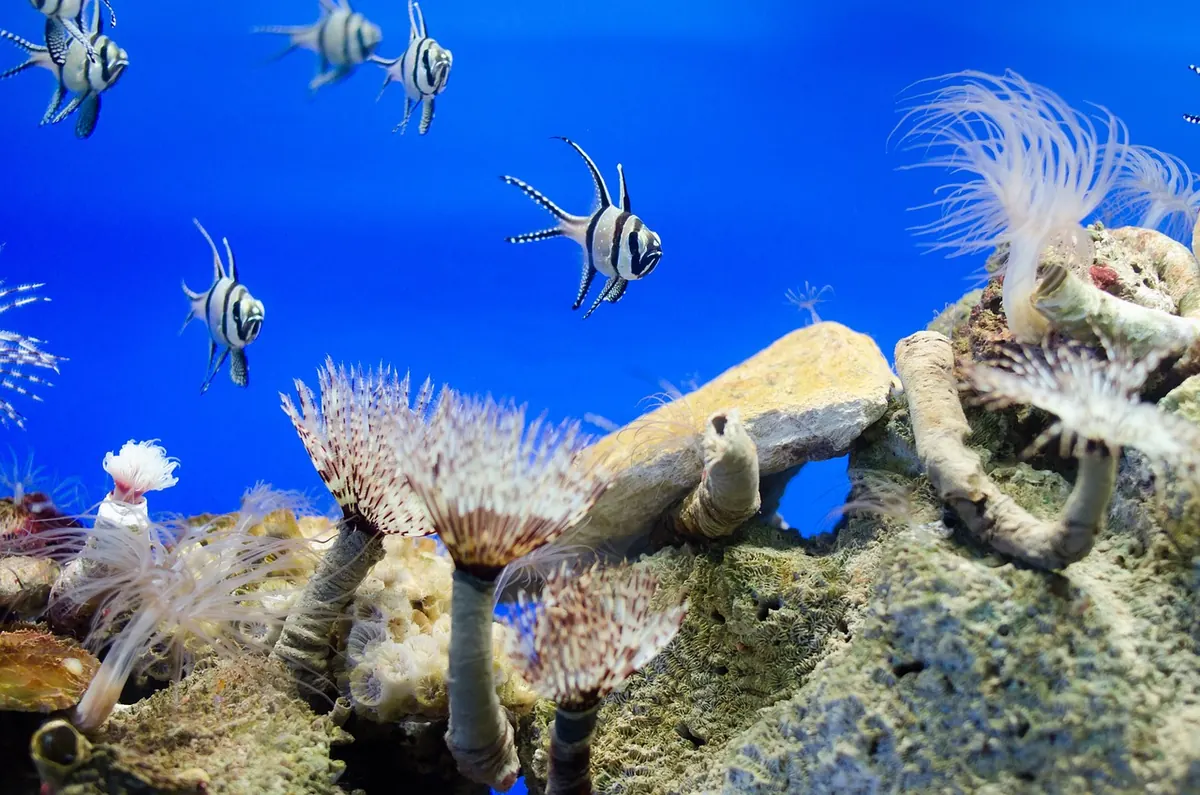
Few things match the first minute of a coral reef snorkel: light shifting across the sand, a parrotfish crunching at the rubble, a hawksbill gliding just beyond reach. Reefs also forgive far less than people assume. Most damage caused by snorkellers is accidental — a fin scrape here, a hand planted on coral there — but it adds up across a season on a busy reef. These are the five habits worth unlearning before you next pull on a mask.
1. Standing on the coral
Coral is not rock. It is a colony of tiny animals building a skeleton beneath themselves, and it grows slowly — often just a few centimetres a year. A misplaced fin tip can kill the polyps it lands on, and a bare boot print can leave a dead patch that algae colonises within days. The damage rarely looks dramatic from the surface, which is exactly why it is so easy to repeat.
People usually stand for one of four reasons: to adjust a mask, to rest, to get their bearings, or to climb in from shore. All four have better answers.
- Adjust your mask in deeper water, floating on your front or back, not balanced on a bommie.
- Rest on the surface. Roll onto your back, breathe steadily, and let your snorkel vest or a float do the work.
- Plan your route along sand channels and stay a metre or so above the reef. If the coral rises, so do you.
- Enter from sand. Sit in a sandy gap, put your fins on there, then float face-down and kick away.
Keep your hands at your sides or loosely clasped. Holding a camera, a torch or a phone is not a reason to grab hold of anything, and a bare hand on coral can transfer sunscreen, oils and bacteria as well as breaking the surface.
Look, don't touch. Float, don't stand.
2. Feeding the fish
Bread, rice, biscuits, bananas, frozen peas — it all gets offered somewhere, usually by a well-meaning guide with a bag of scraps. It changes fish behaviour in ways that outlast your holiday. Fed fish learn to crowd people, lose some of their natural wariness, and can become aggressive, particularly larger species such as triggerfish and groupers. Handouts also pull grazing fish away from the algae they would otherwise keep in check, and unnaturally dense crowds of fish can spread disease more easily between individuals.
If an operator hands you food in the water, hand it back. Feeding fish is restricted or discouraged in many marine parks, and if you are unsure of local rules, the safe answer is not to feed anything. The same goes for taking: leave shells, dead coral, sand and anything else where you found it.
3. Chasing, cornering and handling wildlife
Turtles need to reach the surface to breathe. A turtle that is being followed will often swim away and surface early, cutting short the grazing or resting it came to the reef to do. It costs you nothing to hang back; it costs the animal energy it may need later.
Better encounters come from slowing down. Approach at an angle rather than head-on, stop a couple of metres short, and let the animal choose whether to come closer. Never herd a ray along the sand, block an octopus from its hole, or crowd a resting nurse shark. Avoid touching anything at all, including "just" lifting a starfish for a photo — many species can be damaged by being moved, even briefly.
Getting the photograph without the chase
Stay still at the surface and let curiosity work in your favour. Use a wide lens or your phone's widest setting and get close to the subject by drifting, not swimming. At night, keep flashes away from shy species and never use a torch to pin an animal in place.
4. Sloppy finning and poor buoyancy
Most accidental reef contact comes from fins, not hands. If your legs drop, your fin tips will follow, and a slow flutter that looks harmless from above can sweep across a coral head. Sand stirred up by careless kicking also smothers nearby polyps and ruins visibility for everyone behind you.
Practise before you reach the reef:
- Kick from the hips with straight legs, keeping your fins near the surface.
- Swap scissor or cycling kicks for a slow flutter, and pause between strokes.
- Use a snorkel vest, float or board for support so you never need to put a foot down.
- Test your kit — dangling cameras, loose straps and unclipped gauges all catch on coral.
If you can, spend ten minutes over sand or in a pool getting your trim right. It is the single most useful skill for a reef snorkel, and it makes the whole experience calmer.
5. Choosing the wrong operator — or ignoring the briefing
Your guide sets the standard for the day. Before you book, ask a few direct questions and listen carefully to the answers.
- How many snorkellers are there per guide, and how many people in total?
- Do you moor, or anchor? Anchors dragging through coral do lasting damage.
- Do you brief guests on reef etiquette, including no touching and no feeding?
- What happens if someone stands on the reef or harasses a turtle?
Walk away from anyone who offers food for the fish, drops an anchor onto live coral, runs thirty people onto one small reef patch, or skips the briefing. Shore-based operators who cap numbers, use fixed moorings and work with local conservation projects are usually the better choice, even when they cost a little more. Once you are in the water, follow the briefing — guides notice, and so do other guests.
Before you get in the water
Ten minutes of preparation prevents most of what is described above.
- Cover up with a long-sleeved top and leggings rather than relying on sunscreen alone.
- Choose a mineral-based, non-nano suncream if you need it, and apply it before you reach the boat. Avoid spraying aerosols near the water.
- Check your mask, snorkel and fins, and make sure nothing dangles.
- Agree a plan with your buddy: who leads, how far you go, and the signal for heading back.
- Leave shells and coral behind, and skip souvenirs made from reef animals.
Snorkelling is a low-effort way to see a reef, which is exactly why it can feel harmless. It is not, quite. Float rather than stand, keep your hands to yourself, give wildlife room, and support operators who take the same care. If you have any concern about your fitness to snorkel, or you are managing a health condition, check with a medical professional before you travel.
Photo: DJB_Images / Pixabay